
Let Them Learn:
Why More Families Are Choosing Unschooling, Worldschooling, and Child-Led Education

Something beautiful is happening quietly beneath the surface of modern education.
Families are stepping away from rigid schedules, endless worksheets, standardized testing, and one-size-fits-all learning models and asking a radical question:
What if children are actually designed to learn naturally? You know, the way they did from 0-5yrs without any formal instruction…
What if curiosity—not coercion—is the real engine behind education?
Over the past decade, I’ve watched more and more parents move toward child-centred learning philosophies like unschooling, worldschooling, Waldorf education, and self-directed education models inspired by thinkers such as Dr. Peter Gray.
And honestly? I understand why.
As both an educator and homeschooling mother, I have seen firsthand what happens when children are given the freedom, trust, time, and environment to truly learn in ways aligned with human development instead of institutional efficiency.
The results are extraordinary.
What Is Unschooling?
Unschooling is often misunderstood.
People imagine children doing “nothing,” but authentic unschooling is not educational neglect—it is highly intentional living and learning through exposure, observation, experimentation.
Unschooling recognizes that children are naturally wired to:
explore
imitate
experiment
ask questions
solve problems
create meaning
pursue mastery
Instead of separating “learning” from life, unschooling allows life itself to become the curriculum.
Children learn through:
travel
entrepreneurship
nature
books
museums
conversations
games
cooking
building
community
internships
creative projects
documentaries
music
storytelling
outdoor play
meaningful work
A child who spends three months obsessively researching sharks, building aquariums, watching marine biology lectures, sketching ocean maps, and writing fictional sea adventures is not “behind.”
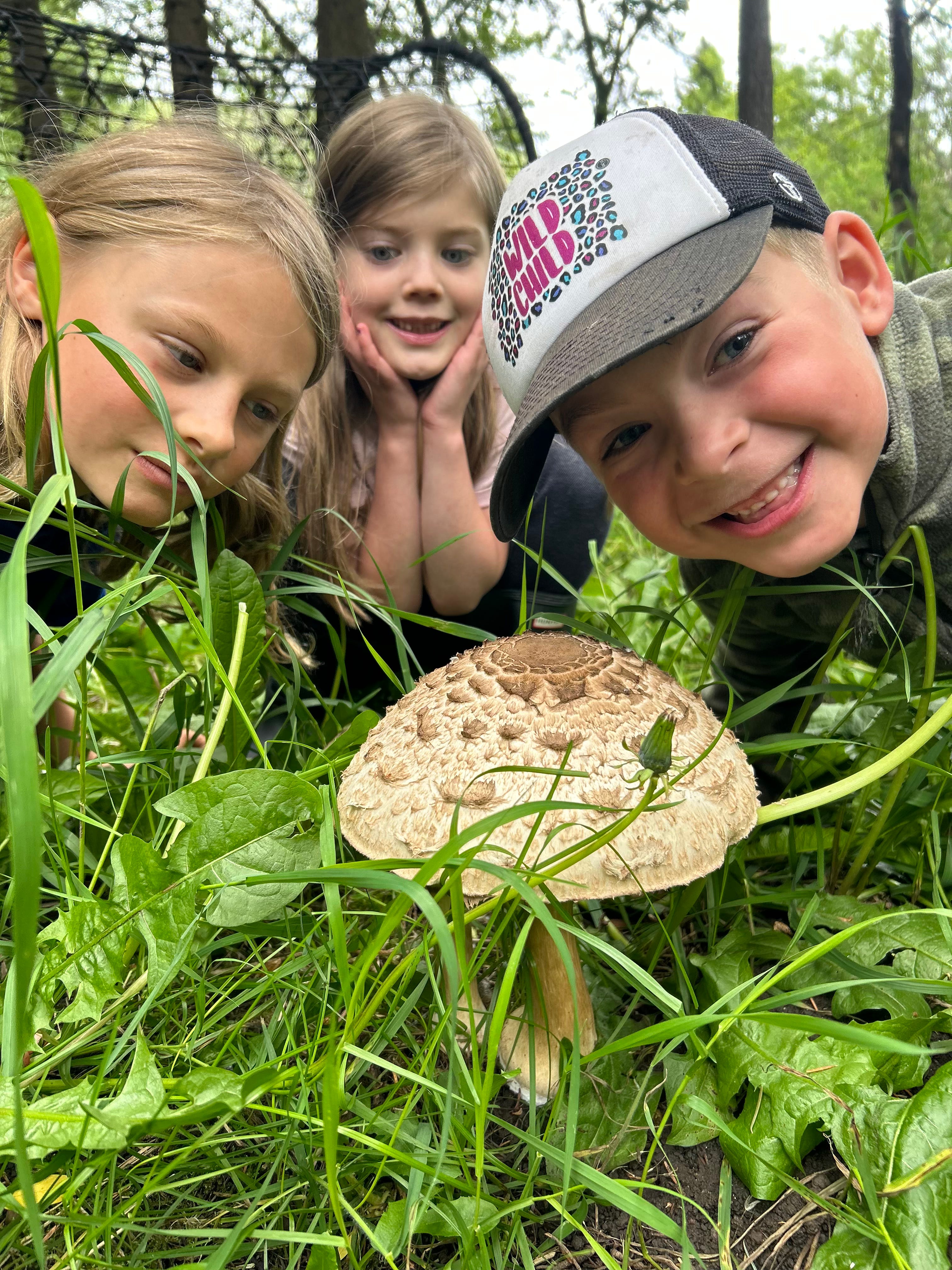
That child is deeply engaged in integrated learning. Trust me, they’ll find a new interest soon enough and they’ll fall down the rabbit hole of astronomy, robotics, abstract art, fungi, or whatever they fall into…
Dr. Peter Gray and the Free to Learn Movement
Much of the modern self-directed education movement has been shaped by Dr. Peter Gray’s groundbreaking work in developmental psychology and education.
In his book Free to Learn, Gray argues that children learn best through self-directed play, exploration, social interaction, and autonomy—not through forced academic pressure.
He points out something many parents instinctively feel:
human children evolved to learn through discovery.
Not through sitting at desks for seven hours a day.
Gray’s research highlights how play develops:
executive functioning
emotional regulation
negotiation skills
creativity
resilience
leadership
collaboration
innovation
These are precisely the skills most needed in the modern world.
Ironically, many traditional school environments reduce opportunities for the very things that produce healthy, capable, adaptable adults.
The Importance of Play Centres and Open-Ended Learning
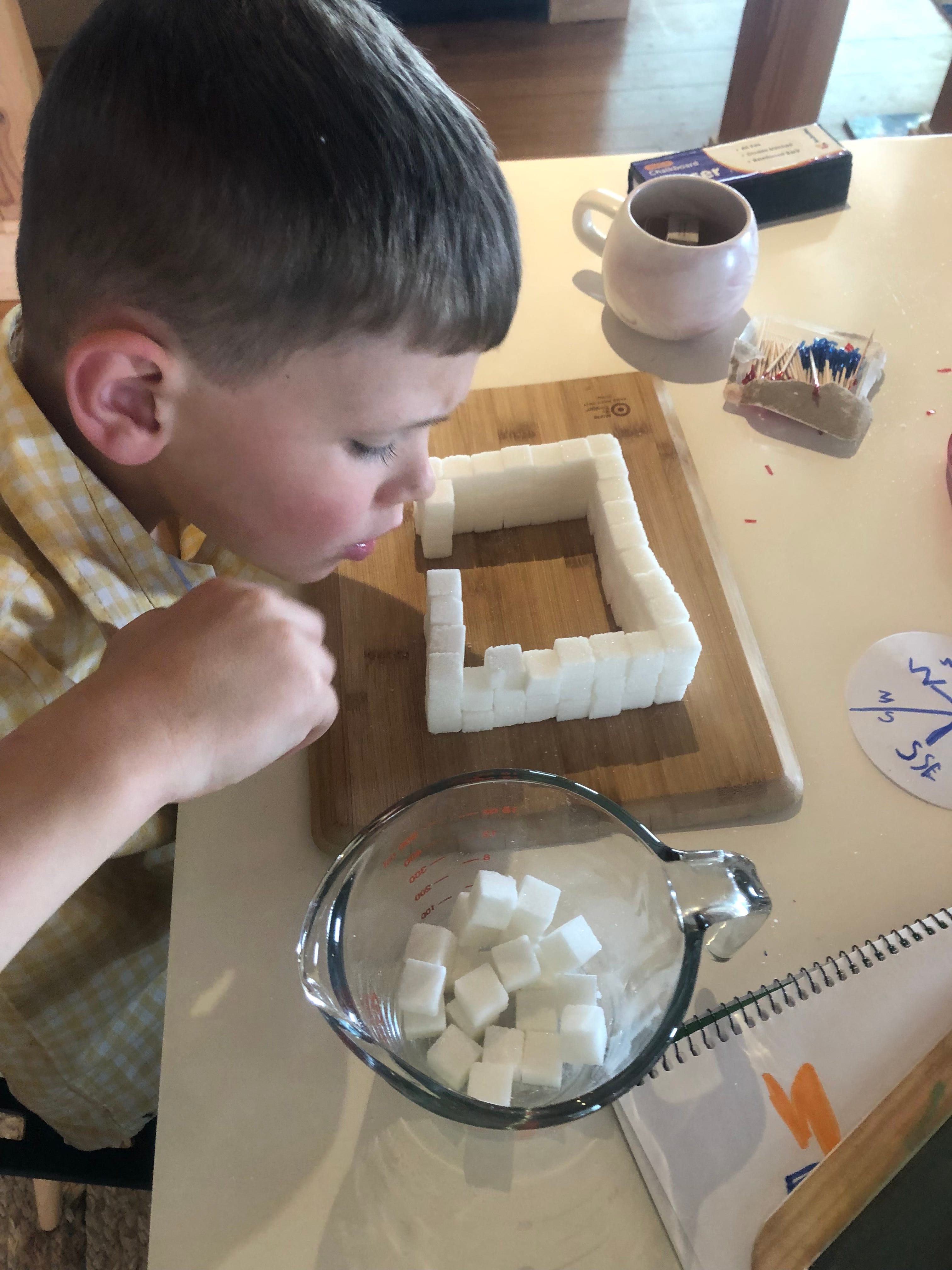
One thing I often encourage parents to create at home is an environment rich in open-ended exploration.
Children thrive when they have access to:
art materials
blocks
loose parts
nature tools
dress-up
woodworking
books
maps
music
sensory materials
science tools
handcrafts
imaginative play spaces
These “play centres” are not frivolous.
From a developmental perspective, play is neurological architecture ie brain building!
When children build forts, invent worlds, negotiate rules, create businesses, compose stories, or design imaginary civilizations, they are actively developing:
cognitive flexibility
systems thinking
problem solving
language
social awareness
intrinsic motivation
Play is not a break from learning. Play is learning.
The Rise of Worldschooling and Cultural Immersion
One of the most exciting educational shifts happening today is the rise of worldschooling; a term that didn’t exist when I was galavanting around Europe as a middle schooler learning about world wars, art, composers, literature, historical figures, architecture and artisan crafts.
Worldschooling blends travel, cultural immersion, language exposure, geography, history, and real-world learning into everyday life.
Children learn:
currencies by using them
geography by navigating cities
history by standing where it actually happened
culture by participating in it
language through immersion
adaptability through experience
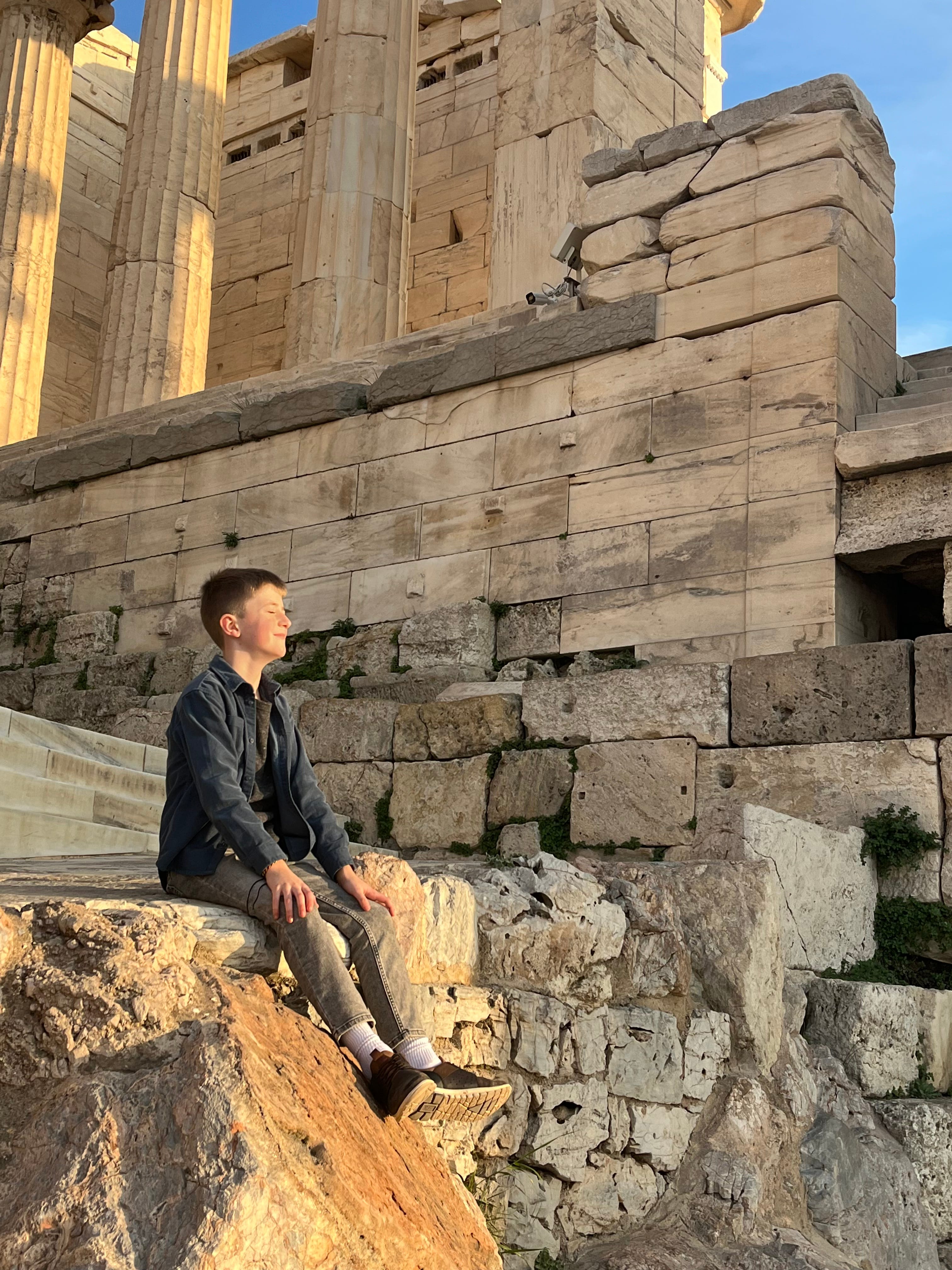
A child who helps navigate train systems in Japan, explores Viking ships in Denmark, hikes volcanoes in Iceland or Hawaii, or visits ancient ruins in Greece is receiving an education impossible to recreate fully through textbooks alone.
Worldschooling also develops something increasingly valuable in the modern world:
cultural fluency. Children raised with global awareness often become more adaptable, empathetic, socially confident, and intellectually curious adults.
Why Self-Directed Learners Often Thrive Later in Life
I’m constantly hearing, “But what about their future?”
Interestingly, many self-directed learners develop advantages that become incredibly valuable in adulthood.
Because they are trusted with autonomy early, they often become self-motivated, entrepreneurial, independent thinkers, adaptable, creative problem-solvers, capable of managing unstructured environments and intrinsically curious.
Many also retain a love of learning far longer than peers who experienced burnout through excessive academic pressure.
Traditional schooling often conditions children to ask:
“Is this on the test?”
Self-directed education encourages children to ask:
“What else can I discover?”
That distinction matters.
Especially in a rapidly changing world where information is everywhere and innovation increasingly depends on creativity, initiative, communication, and adaptability.
Education as a Life Well Lived
At its heart, child-centred education is not about producing perfect transcripts.
It is about raising whole human beings that can adjust to whatever life throws at them and learn whatever is required at the exact moment it’s needed.
Curious. Capable. Compassionate.
Children who know how to build, wonder, converse, create, travel, question, adapt, imagine, and contribute and are not merely prepared for tests— but prepared for life!
My kids don’t go to school; that’s why they’re so well-educated.
Thank you for your sharing this. Your piece here resonates very nicely with a school visit I recently undertook at a democratic school, which I wrote about here: https://samuelkammin.substack.com/p/the-question-of-compulsion-or-choice. Would be curious to hear if you had any thoughts about it, as this particularly school is perhaps not quite as 'radical' as pure unschooling.
I am totally sold on this form of education for children - but then again, I have lived experience and know that it works. At least it did for my three children. And I'm now watching my grandchildren thrive learning without schooling. There is more time with homeschooling for self-directed learning opportunities to happen. More space. More freedom and ability to provide the many resources it requires.